
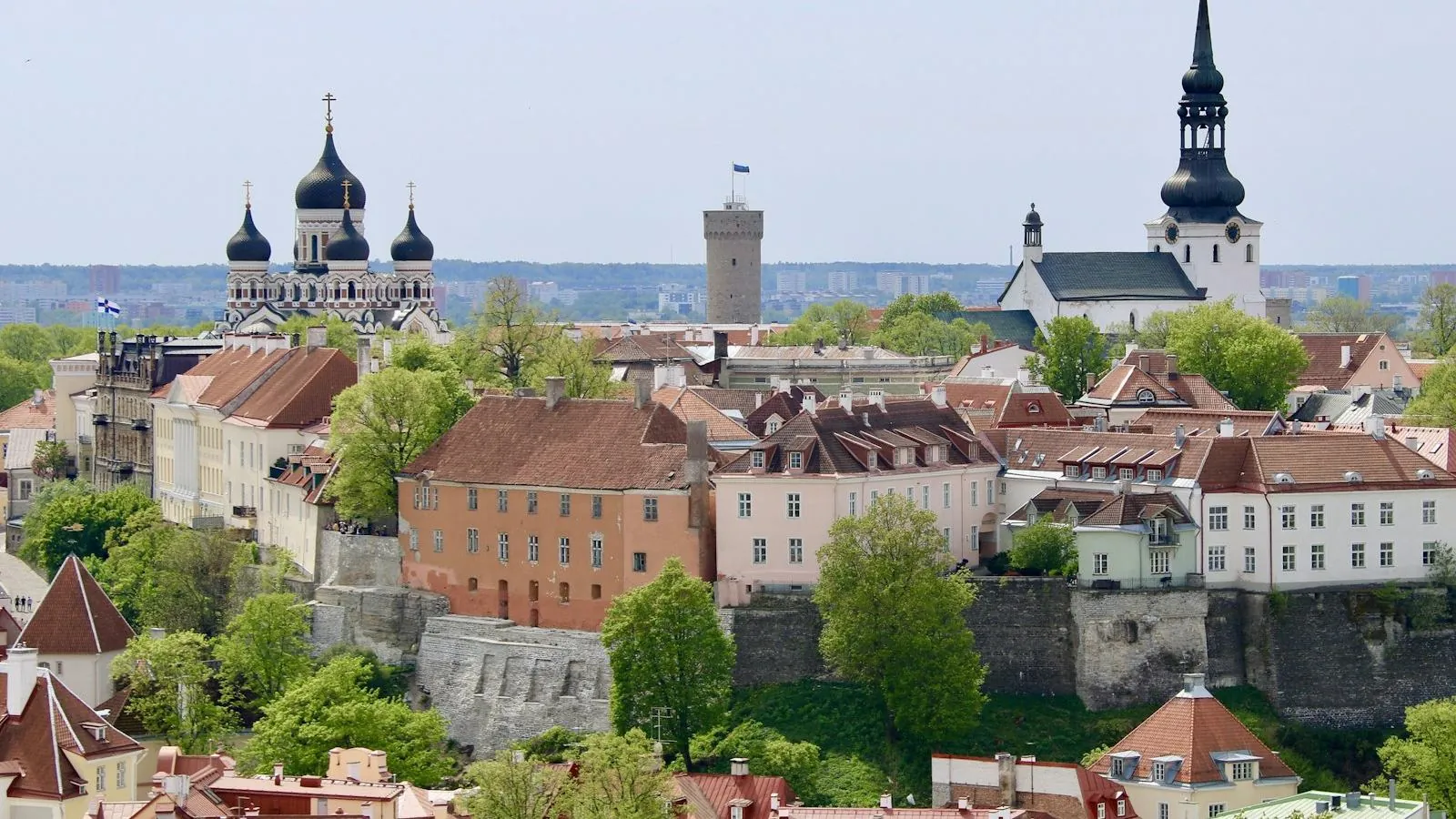
Toompea, Tallinn
Home › Licensing › Estonia › Estonia remote gambling licence
Licence guide

Estonia remote gambling licence.

EU gaming groups use Estonia for a stable licence with a published tax rate, no annual licence fee and a regulator that accepts companies registered anywhere in the European Union.

Published 16 October 2026 · Last reviewed 17 October 2026 · Reviewed against the regulator’s current publications
ETCBRegulator
€1,000,000Share capital
€47,940 + €3,200State fees
NoneAnnual fee
6 to 8 months across both stages, with the control system built in parallelOur realistic timeline

Firms we have licensed.

Selected engagements from more than 250 licences obtained since 2013, for payment, e-money, cryptoasset and consumer credit firms.

Since 2013Advising global payment firms
60+Countries licensed in
250+Licences obtained globally
Clients
ClearBankVolkswagenStaysureOval MoneyEMQCentus
nexpayPayment Institution

Obtained Nexpay’s FCA Authorised Payment Institution licence.
dzingElectronic Money Institution

Obtained Dzing Finance’s FCA Authorised Electronic Money Institution licence.

Payment Institution

Obtained Orbital’s FCA Authorised Payment Institution licence.

What you get

6 to 8 months across both stages, with the control system built in parallelLicence granted

Our realistic timeline from submission, set against the regulator’s own published figures.

Day oneReady to trade

Acquiring and payment processing arranged alongside the application, so you take deposits from go-live.

Your teamKey people in place

Candidates introduced for directors and supervisory board members, each assessed against the regulator’s standard.

Same dayWritten proposal

A reply within three business hours and a written proposal the same day: the licence, the requirements, the cost and the timing.

How the firm obtains the licence

  1. Scoping and proposal. The gambling types (games of chance, toto or skill), the share capital and reserve, the non-resident taxpayer registration and the EAKS control system build are confirmed in writing before the state fee is paid.
  2. Application pack. The activity licence application, then the operating permit with Annexes 1 to 8 and the independent expert certificate with management and owner files, police certificates and tax returns complete.
  3. Payment processing. Acquiring, alternative payment methods and the player payment accounts listed in the operating permit are arranged through the firm’s relationships before the decision, with payments shown to come from each player’s own account.
  4. Regulator engagement. The Board’s questions are answered through one process across both stages, with EAKS live and connected to EHMA and HAMPI before the permit decision; the activity licence is decided within four months of complete documents.

Key people, banking and technology

You will need directors and supervisory board members, each with a police certificate and three years of financial records and tax returns.

Key peopleThe firm introduces candidates for directors and supervisory board members from its register of senior compliance, financial crime, risk and finance professionals, and assesses each against the regulator’s approval standard before they are put forward.
BankingAcquiring, alternative payment methods and player-funds accounts, arranged through the institutions that accept the sector, in parallel with the application.
TechnologyWhite-label payment and player-wallet technology, built and ready to go live with the licence.

One engagement and one timetable, from scoping to launch. Speak to an expert about the people, the banking and the technology for this licence.

The licence in detail

The regulator’s requirements, capital, timing, fees and the questions firms ask, from the regulator’s own publications.

Key takeaways
  • Organising gambling in Estonia requires an activity licence and an operating permit from the Tax and Customs Board, for each gambling type: games of chance, toto (betting) and games of skill.
  • Share capital is €1,000,000 for games of chance, €130,000 for toto and €25,000 for games of skill, in a public or private limited company registered in Estonia or the EU that conducts only gambling.
  • State fees are €47,940 for a games of chance activity licence, €31,960 for toto and €3,200 for games of skill, plus €3,200 for each operating permit; there is no annual licence fee.
  • Gambling tax was 6% of bets less prizes for remote gambling in 2025, with 5.5% applying from 2026 to remote games of skill, toto and tournaments; lotteries pay 22% of ticket sales.
  • The Board decides the activity licence within four months of complete documents and no later than six months from filing, and the operating permit within two months and no later than four.
  • The activity licence is indefinite; a remote operating permit runs for up to five years for games of chance and skill and up to 20 years for toto, and the electronic control system must be live and connected to the Board before the permit decision.

Who needs the licence

Games of chance, toto and games of skill in Estonia may be organised only by a trustworthy legal person meeting the Gambling Act, holding both an activity licence and an operating permit from the Tax and Customs Board. Remote gambling is gambling whose outcome is determined by an electronic device and in which players participate electronically; using electronic means only to take bets, announce results or transfer payments is not remote gambling. The Board blocks the websites of unlicensed operators available in Estonia. Estonia is used by EU groups that want a stable licence with a published tax rate and a regulator that accepts EU-registered companies.

Licence and permit types

AuthorisationScopeValidityState fee
Activity licence, games of chanceCasino games, slots and other games of chanceIndefinite€47,940
Activity licence, totoBettingIndefinite€31,960
Activity licence, games of skillGames of skillIndefinite€3,200
Operating permit, remote gamblingPer gambling type; one application may cover several websitesUp to 5 years; up to 20 years for toto€3,200

The Board’s pages identify no separate business-to-business supplier licence; suppliers to Estonian licensees agree their position with the Board before supplying.

What the ETCB requires

  • Legal form and capital. A public or private limited company registered in Estonia or the EU with the share capital for the gambling type; non-resident companies first register with the Board as non-resident taxpayers and file an Estonian translation of the annual report; the operator conducts only gambling as its activity. At least one-seventh of annual net profit is transferred to a reserve until it reaches the amount in the articles, and the reserve is at least one-third of share capital unless shareholders’ equity is at least half of total assets.
  • Management and owners. Management and supervisory board members notified with identity, residence, employment history, trustworthiness documents such as police certificates, three years of financial status documents and authenticated income tax returns (Estonian members exempt from the financial and tax documents); prior notice of any qualifying holding of 10% or more with ownership and beneficial owner details, and for foreign acquirers financial records, police certificates and three annual reports.
  • Control system. An electronic recordkeeping and control system (EAKS) implemented, tested and operational before the permit decision, connected to the Board’s reporting system (EHMA) through X-tee, with a tested connection to the list of persons with gambling restrictions (HAMPI).
  • Servers and data. The operating permit application states the server location and the company managing the servers, with a signed annex confirming that the server stores player registration, identification, age-check, gambling-restriction, session and login data for five years; the Board’s pages state no requirement that servers be in Estonia.
  • Player payments. The operating permit application lists the bank accounts used for player payments and shows that payments come from the player’s own account.
  • Application pack. The activity licence application, submitted digitally signed by email, by post or through the Register of Economic Activities after the state fee is paid; then the remote gambling operating permit application with Annexes 1 to 8 covering player identification, security, data protection, game rules, the independent expert certificate, server data storage, bet and payment records and own-account payments. New platforms or games are notified before launch with an expert certificate confirming the random number generator, a payout above 80% and five-year data storage.

Capital

RequirementAmount
Games of chance€1,000,000
Toto€130,000
Games of skill€25,000
ReserveAt least one-third of share capital, built from one-seventh of annual net profit

The share capital is held in the company before the activity licence application; the reserve requirement applies unless shareholders’ equity is at least half of total assets.

Timing

FigureValueSource
Statutory decision periodActivity licence within 4 months of complete documents and no later than 6 months from filing; operating permit within 2 months of complete documents and no later than 4 months from filingGambling Act, as published by the Tax and Customs Board
Application preparation8 to 10 weeksFrom instruction to submission, including banking in parallel
Our realistic timeline6 to 8 months across both stages, with the control system built in parallelThe firm’s own figure, from the regulator’s published data and its own applications

Figures published by the regulator are quoted as published and converted to months. The realistic timeline is the firm’s own, for a complete, well-prepared application.

Fees and costs

ItemAmountNotes
Activity licence state fee, games of chance€47,940Paid before applying; €31,960 for toto; €3,200 for games of skill
Operating permit state fee€3,200Per permit; €640 for review of a lottery permit
Annual licence feeNoneThe ongoing cost is gambling tax
Share capital€1,000,000Games of chance; €130,000 toto; €25,000 games of skill
Professional feesFixed, in writingQuoted after scoping

Gaming duty and tax

Gambling tax for remote games of chance and games of skill was 6% of the amount received from bets less prizes in 2025. From 2026 the Board’s table shows 5.5% for remote games of skill, toto and tournaments; the Board states that in 2025 remote gambling of both kinds, tournaments, ring games and toto were taxed at 6% rather than 5.5%. The Board’s table does not state the 2026 rate for remote games of chance, which is agreed with the Board before filing. Tournament fees were taxed at 6% in 2025 and 5.5% from 2026; lotteries pay 22% of ticket sales and commercial lotteries 22% of the prize pool. The taxable period is the calendar month, with the return and payment due by the 15th of the following month. Corporate income tax is assessed separately from gambling tax.

Markets covered

The licence covers gambling offered in Estonia; the operating permit lists the internet addresses and IP ranges used. There is no EU passport for gambling: an operator serving other Member States holds the local licence in each, such as Spelinspektionen in Sweden or the MGA in Malta, and the firm obtains each.

Why applications are delayed

The Board’s pages set out what it looks for.

  1. A trustworthy legal person. Management, supervisory board members and owners of 10% or more documented with police certificates, financial records and tax returns before the decision.
  2. A working control system. The electronic recordkeeping and control system implemented, tested and connected to the Board’s reporting system and to the restrictions list before the permit decision; the two-month period runs from complete documents.
  3. Complete documents. The statutory periods run from complete documents, with the outer limit of six and four months from filing; the grounds for refusal are set in the Gambling Act.

Payment processing

An operator needs acquiring, alternative payment methods and the bank accounts for player payments that are listed in the operating permit application, with payments shown to come from the player’s own account. The firm arranges acquiring and player-funds accounts through institutions that accept the sector, during the application, with the compliance framework prepared to their standard. See banking and payment processing.

Questions firms ask

How long does an Estonian gambling licence take?

The Board decides the activity licence within four months of complete documents and no later than six months from filing, then the operating permit within two months and no later than four. The firm plans for six to eight months across both stages, with the control system built in parallel.

What capital does an Estonian operator need?

€1,000,000 of share capital for games of chance, €130,000 for toto and €25,000 for games of skill, with a reserve built from one-seventh of annual net profit.

What does the licence cost?

€47,940 for a games of chance activity licence, €31,960 for toto or €3,200 for games of skill, plus €3,200 for each operating permit. There is no annual licence fee; the ongoing cost is gambling tax on bets less prizes.

Can an EU company apply without an Estonian subsidiary?

Yes. A public or private limited company registered in the EU may apply, registering first with the Board as a non-resident taxpayer and filing an Estonian translation of its annual report.

What is EAKS?

The electronic recordkeeping and control system every operator runs, connected to the Board’s reporting system through X-tee and to the list of persons with gambling restrictions; it must be operational before the permit decision.

References

  1. ETCB: applying for permits
  2. ETCB: for gambling operators
  3. ETCB: gambling tax
  4. ETCB: gambling operator reminder
  5. ETCB: reporting and access
  6. Gambling Act (Riigi Teataja)

About Buckingham Capital Consulting

A regulatory advisory firm to payment, e-money and cryptoasset companies since 2013, with more than 250 licences obtained in more than 60 countries. The firm advises on authorisation, compliance, safeguarding, banking and transactions, and builds the white-label payment and card technology its clients launch on.

A written proposal on cost, timing and requirements, the same day: speak to an expert.

This guide is general information for firms considering authorisation and is reviewed against the regulator’s published requirements. It is not legal advice; requirements and fees change, and the regulator’s current publications take precedence.

How we work.

  • Senior-ledEvery engagement is led by the practitioners who prepare the application and attend the regulator.
  • Same dayA reply within three business hours and a written proposal the same day: the licence, the requirements, the cost and the timing, before you commit.
  • ConfidentialYour plans, your application and any listing stay private. Clients are named only with their agreement.
  • Live workspaceEvery engagement runs in a shared workspace on Hector: documents, regulator questions, messages and progress in one place, visible to your team at every stage.

Why firms choose BCC.

  • OperatorsWe have taken firms through licensing, run regulated payments and consumer credit businesses, and signed the regulatory returns ourselves.
  • BankingSafeguarding, operating and settlement accounts arranged alongside the authorisation, through the institutions that serve this market.
  • FoundersThe firm is run by founders who have built and run regulated payments businesses, so every position is given with the launch date and the cost of waiting in mind.
  • One firmLicensing, key people, banking, compliance, technology and transactions from the same team, for the life of the regulated firm.

Apply for this licence.

The requirements, the cost and the timing for your business, in a written proposal the same day.




