 Payment Institution
Obtained Nexpay’s FCA Authorised Payment Institution licence.
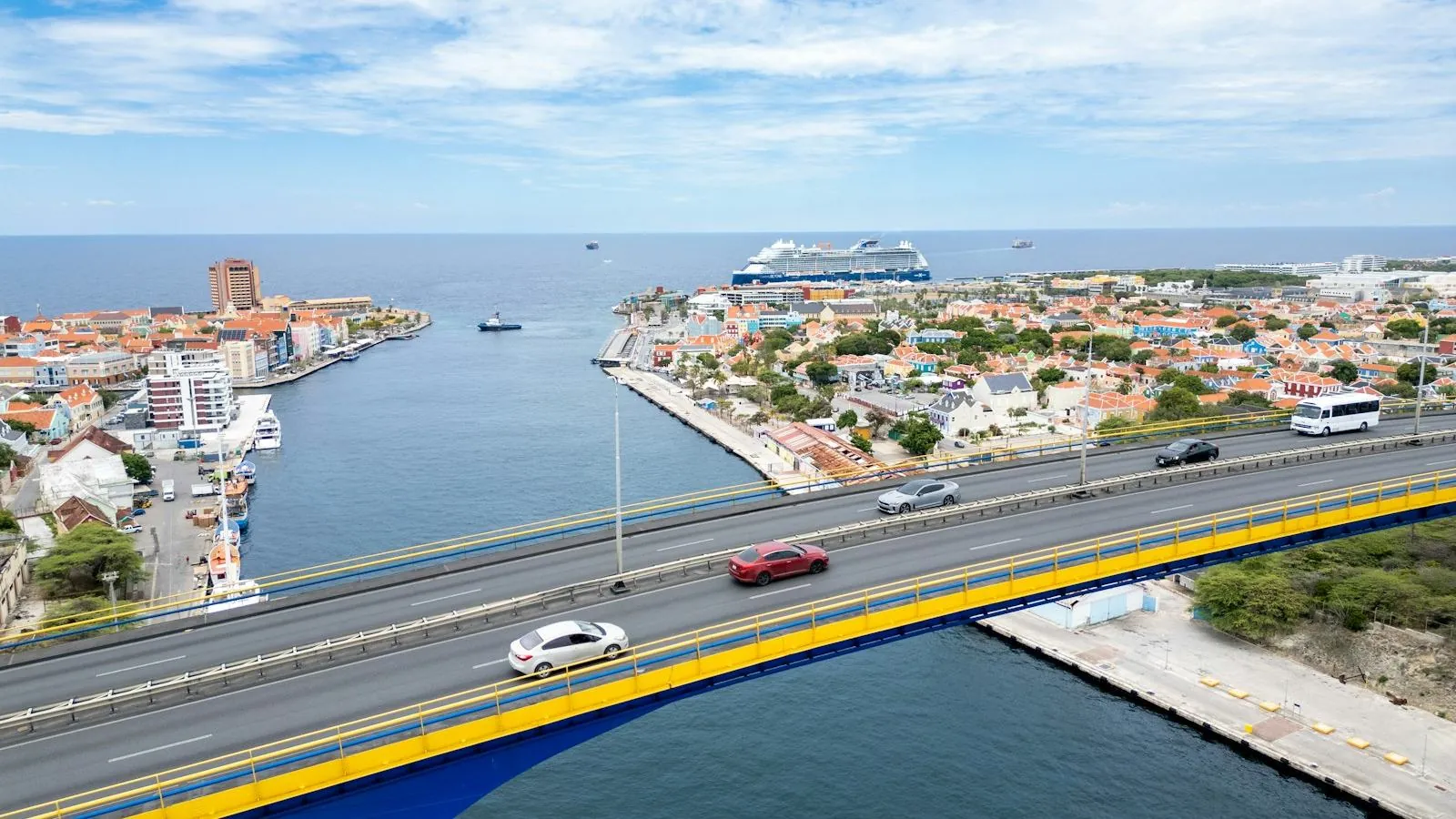
Operators serving markets without a local licensing regime use Curaçao for direct licensing by the CGA under the 2024 ordinance, with fixed annual fees in place of a tax on gaming revenue.
Selected engagements from more than 250 licences obtained since 2013, for payment, e-money, cryptoasset and consumer credit firms.
 Volkswagen


 Payment Institution
Obtained Nexpay’s FCA Authorised Payment Institution licence.
 Electronic Money Institution
Obtained Dzing Finance’s FCA Authorised Electronic Money Institution licence.
Obtained Orbital’s FCA Authorised Payment Institution licence.
Our realistic timeline from submission, set against the regulator’s own published figures.
Acquiring and payment processing arranged alongside the application, so you take deposits from go-live.
Candidates introduced for a managing director in Curaçao and an AML officer, each assessed against the regulator’s standard.
A reply within three business hours and a written proposal the same day: the licence, the requirements, the cost and the timing.
You will need a managing director living in Curaçao, an approved AML compliance officer, and separate people in the chief executive, compliance, AML and internal audit roles.
One engagement and one timetable, from scoping to launch. Speak to an expert about the people, the banking and the technology for this licence.
The regulator’s requirements, capital, timing, fees and the questions firms ask, from the regulator’s own publications.
Organising a game of chance in or from Curaçao, or giving people the opportunity to play, requires a CGA licence, and the requirement extends to entities that directly or indirectly control player databases and player transactions. Supplying critical services or goods such as games or sportsbook software in or from Curaçao requires a supplier licence, mandatory for Curaçao-established suppliers from 24 December 2026, with a certificate available for non-critical service providers for up to three years. Curaçao is used by operators serving markets without a local licensing regime and by suppliers to those operators.
| Licence | Holder | Annual fee |
|---|---|---|
| B2C online gaming licence | Operators offering games of chance to players | €47,450 (€24,490 licence fee plus €22,960 supervisory fee) |
| B2B supplier licence | Suppliers of critical services and goods, including games and sportsbook software | €24,490 supervisory fee |
| Certificate for non-critical service providers | Other service providers, valid up to three years | €383 |
A provisional licence runs for up to six months, extendable by up to six more; a definitive licence is indefinite, subject to suspension or revocation. A company may not hold both a B2B and a B2C licence and there is no direct conversion between them: a separate entity, or revocation and a fresh application, is required.
| Requirement | Amount |
|---|---|
| Minimum share capital | None fixed in the LOK |
| Liquid assets | Sufficient to pay expected prizes immediately, at all times |
| Guarantee fund | Membership required; premiums indexed annually |
The CGA may attach conditions requiring player balances to be segregated and reserved, or insured, and must revoke a licence where sufficient liquid assets are no longer demonstrated.
| Figure | Value | Source |
|---|---|---|
| Statutory decision period | Phase 1 (integrity and financial stability) within 8 weeks of complete information, extendable by 4; phase 2 (other LOK requirements) within 8 weeks, extendable by 4; 16 weeks target, about 3.7 months, and 24 weeks maximum, about 5.5 months | LOK, Article 5.1(4), (6) and (8) |
| Regulator’s published figure | Supplier licence within 8 weeks, extendable by up to 8, about 2 to 4 months | LOK, Article 5.14(3) |
| Application preparation | 6 to 8 weeks | From instruction to submission, including banking in parallel |
| Our realistic timeline | 4 to 5 months after submission | The firm’s own figure, from the regulator’s published data and its own applications |
Figures published by the regulator are quoted as published and converted to months. The realistic timeline is the firm’s own, for a complete, well-prepared application.
| Item | Amount | Notes |
|---|---|---|
| Application fee | €4,592 | B2C and B2B; plus €150 per beneficial owner, €150 per qualified interest holder and €2,551 per exchange-listed beneficial owner entity; non-refundable; not processed until paid |
| B2C licence fee | €24,490 | To the National Treasury, annually |
| B2C supervisory fee | €22,960 | To the CGA, annually; €47,450 in total, due in full by 15 January, first year pro rata within 14 days of the grant notification |
| B2B supervisory fee | €24,490 | Annually; no licence fee |
| Domain | €250 | Per main domain |
| Changes | €128 | Per beneficial owner or qualified interest holder change; €13 per game extension or replacement |
| Professional fees | Fixed, in writing | Quoted after scoping |
The LOK sets no percentage gaming tax on gross gaming revenue. The levies are the fixed annual licence and supervisory fees, from which 3% is allocated to a sports fund, 2% to a fund for vulnerable persons, 1% to a gambling addiction fund and 5% to pension funds. Unpaid fees draw reminders on day 15 and day 29, a notice of intended revocation on day 43 and revocation or suspension on day 57 for applications and day 71 for annual fees. Corporate profit tax is assessed separately from these levies.
The licence authorises offering games of chance in or from Curaçao. Operators serving regulated markets hold the local licence in each, such as the Gambling Commission licence for Great Britain and Spelinspektionen for Sweden; the firm obtains each licence in the group’s structure and agrees the CGA’s market conditions with the authority before filing.
The LOK sets out the mandatory and discretionary grounds the CGA applies.
An operator needs acquiring, alternative payment methods and accounts for player balances, which the CGA may require to be segregated and reserved or insured; the CGA has stated it is assessing action against foreign entities that manage player funds for online operators. The firm arranges acquiring and player-funds accounts through institutions that accept the sector, during the application, with the compliance framework prepared to their standard. See banking and payment processing.
The National Ordinance on Games of Chance, in effect from 24 December 2024, under which the CGA licenses operators and suppliers directly. The Orange Seal certificates issued under the former sub-licence system expired on 15 October 2025.
€4,592 on application plus €150 per beneficial owner and qualified interest holder, then €47,450 a year for a B2C licence and €24,490 for a B2B licence, with no percentage tax on gaming revenue.
Each of the two review phases runs for eight weeks from complete information, extendable by four, so 16 weeks as the target and 24 at most; a provisional licence may issue during the second phase. The firm plans for four to five months after submission.
From 1 April 2027 under the Minister of Justice’s extension: a dedicated office in Curaçao and at least one full-time key person registered locally, rising to three from the fifth year after the LOK, with an exemption for new, smaller operators below XCG 20 million of gross gaming revenue.
The previous online gaming portal was taken offline in October 2026 after an unauthorised access incident and the CGA is moving to a new regulatory platform; existing licences remain valid, submission deadlines are postponed and an alternative proof of licensing replaces the digital seal.
A regulatory advisory firm to payment, e-money and cryptoasset companies since 2013, with more than 250 licences obtained in more than 60 countries. The firm advises on authorisation, compliance, safeguarding, banking and transactions, and builds the white-label payment and card technology its clients launch on.
A written proposal on cost, timing and requirements, the same day: speak to an expert.
This guide is general information for firms considering authorisation and is reviewed against the regulator’s published requirements. It is not legal advice; requirements and fees change, and the regulator’s current publications take precedence.
The requirements, the cost and the timing for your business, in a written proposal the same day.